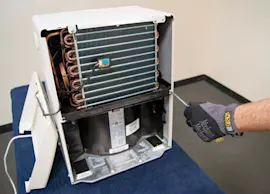
Owner’s manual
 Error Codes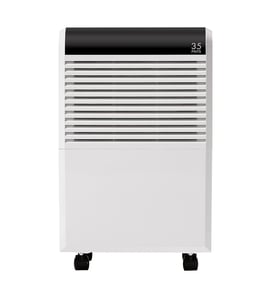



Why do most dehumidifiers stop working?
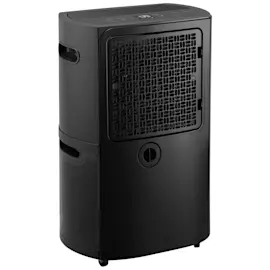
Most dehumidifiers (including the Frigidaire FFAD5033R10) stop working because a safety or airflow condition prevents operation: the bucket is full or not seated, the air filter or coils are clogged, the room is already at the set humidity, or the unit is in a delay/defrost cycle. Less often, an internal part like the fan motor, humidity sensor, or control board fails.
- Empty the bucket and reseat it firmly; make sure the bucket-full float moves freely.
- Clean the air filter and clear lint or dust from the intake and exhaust grilles.
- Confirm settings: set the humidity lower (drier) and use a continuous or high fan setting.
- Check for a built-in restart delay after power loss; wait 5 to 10 minutes before retesting.
- Look for frost on the coil; if present, let it run in a warmer room and improve airflow.
- If using a drain hose, make sure it slopes downward with no kinks and the connection is tight.
| What you notice | Most common cause | What to do first |
|---|---|---|
| Fan runs, little or no water collected | Dirty filter/coil, low room humidity, poor airflow | Clean filter, lower setpoint, improve airflow |
| Unit won’t power on | Bucket switch open, delay timer, outlet/power issue | Reseat bucket, wait, verify power |
| Runs but shuts off quickly | Bucket full, float stuck, drain problem | Empty bucket, free float, check drain |
| Ice on coil | Cold room, restricted airflow, dirty coil | Warm room, clean filter/coil |
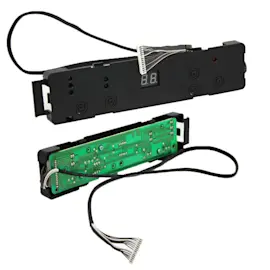
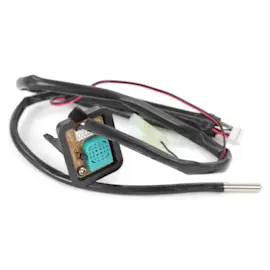
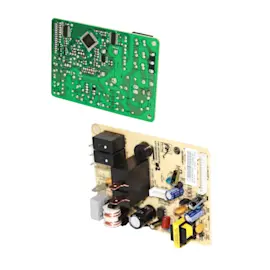
If the FFAD5033R10 has good airflow, correct settings, and proper drainage but still will not remove moisture, the most common repair-related culprits are the humidity sensor/thermistor, user interface or electronic control board, or a weak fan motor. Use the troubleshooting steps and error code guidance in the FFAD5033R10 owner's manual, and follow our dehumidifier doesn't remove moisture guide for a structured diagnosis.
Dehumidifiers rely on steady airflow across the evaporator coil. When airflow is restricted or a safety switch is open, the unit protects itself by stopping or cycling, which looks like a failure but is often a maintenance or setup issue.
Last updated: February 2026
What is the average lifespan of a dehumidifier?
Most portable dehumidifiers, including the Frigidaire FFAD5033R10, typically last 5 to 10 years with normal home use and regular cleaning. Units run nonstop in damp basements or dusty areas often wear out sooner; consistent maintenance helps you reach the upper end of that range.
- Portable room dehumidifier: 5 to 10 years
- Heavy-duty/continuous-use environments: 3 to 7 years
- Whole-home/ducted dehumidifier: 8 to 12 years
| Dehumidifier type | Typical use pattern | Typical lifespan |
|---|---|---|
| Portable (like FFAD5033R10) | Seasonal or daily | 5 to 10 years |
| Portable in harsh conditions | Basement, construction, nonstop | 3 to 7 years |
| Whole-home | Integrated, steady loads | 8 to 12 years |
- Dirty air filter and coils: restricted airflow makes the compressor and fan work harder
- High runtime: 24/7 operation accelerates wear on the compressor, fan motor, and control board
- Poor drainage: frequent bucket overflows or kinked drain hose can cause corrosion and leaks
- Low room temperature: increases frost risk on the coil and stresses the system
- Regular cleaning and correct humidity setting: reduces cycling and strain
For model-specific care steps, cleaning intervals, and operating limits, follow the FFAD5033R10 owner's manual.
- Clean the air filter on a regular schedule
- Keep the intake and exhaust grilles clear (several inches of clearance)
- Rinse and dry the bucket; confirm the float moves freely
- If using a drain hose, keep it downhill with no kinks
- Vacuum dust from the coil area during seasonal deep cleaning
A dehumidifier that is maintained pulls moisture more efficiently, runs fewer hours to hit your humidity setpoint, and puts less stress on high-cost components like the compressor and electronic controls.
Related help: how to clean a dehumidifier
Last updated: February 2026
Are Frigidaire dehumidifiers any good?
Frigidaire dehumidifiers are a solid, dependable choice for most homes; in our experience they typically remove moisture effectively, run relatively quietly for their capacity, and are straightforward to operate and maintain. For model-specific features, settings, and care steps for the Frigidaire FFAD5033R10, use the FFAD5033R10 owner's manual.
A good dehumidifier consistently lowers indoor humidity without frequent shutoffs, excessive noise, or water-handling hassles.
Common signs you picked the right unit:
- Humidity drops toward your setpoint (often 45% to 55% RH for comfort)
- The bucket fills at a steady pace in damp conditions
- The fan and compressor sound stays steady (no loud rattling)
- It restarts normally after power interruptions (if your model supports auto-restart)
- It drains reliably through the bucket or a hose (if using continuous drain)
Dehumidifier performance depends heavily on room size, temperature, and how much outside air leaks in.
Use this quick checklist:
- Room size and dampness: Bigger or wetter spaces need higher capacity.
- Temperature: Cooler basements remove moisture more slowly and may frost.
- Airflow: Keep the air inlet and outlet clear; blocked airflow reduces moisture removal.
- Filter cleanliness: A dirty filter cuts airflow and efficiency.
- Drain method: Bucket use is simple; continuous drain reduces emptying.
Helpful reading: what size dehumidifier do i need
| What you notice | Usually normal | Often points to an issue |
|---|---|---|
| Bucket fills slowly | Mild humidity, cooler room | Dirty filter, blocked airflow, sensor/control issue |
| Some operating sound | Fan airflow, compressor hum | Rattling, grinding, loud vibration |
| Water around unit | Minor splash when removing bucket | Drain not seated, hose leak, unit not level |
If symptoms match the “issue” column, start here:
A dehumidifier that is correctly sized and maintained protects floors, walls, and stored items from mold-friendly moisture while improving comfort. Most “bad dehumidifier” complaints trace back to sizing, airflow, or drainage setup rather than the brand.
Last updated: February 2026